
8 Reasons Women in Perimenopause Are Ditching Eye Drops for This
Why thousands are waking up without that burning, gritty feeling — from one capsule a day.
Your Eyes Feel Like Gravel. There’s a Reason.
That burning, gritty feeling isn’t random. It’s hormonal.
As estrogen drops during perimenopause, your body produces less mucin — the layer that holds your tear film against your eye. Without it, tears evaporate in seconds. Your tear glands inflame. The cells responsible for lubrication take damage from oxidative stress.
It’s not a hydration problem. It’s a cellular problem. And it needs a cellular solution.

Perimenopause-related dry eye affects millions of women, yet is rarely discussed.
Why Nothing You’ve Tried Has Worked.
You’ve been through the full list. Drops. Warm compress. Castor oil. Omega-3s. Preservative-free tears. Restasis. The humidifier. The blue light glasses.
Your eyes are protected by a biological wall that blocks most substances from reaching the cells inside — including most supplements and nutrients. Eye drops treat the surface. Nothing has been reaching the root of the problem.
Astaxanthin is one of the only antioxidants that actually crosses it.
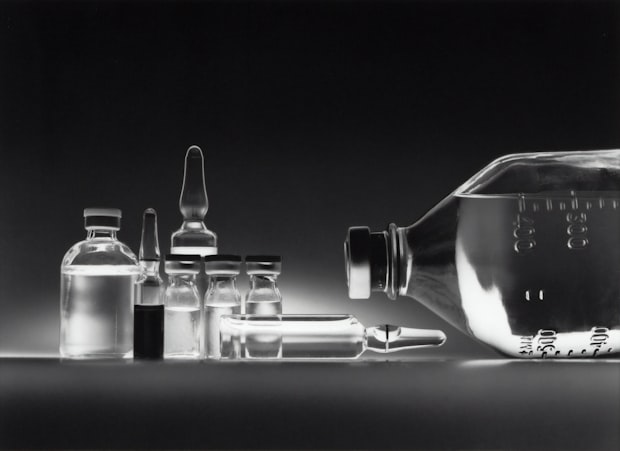
Most dry eye solutions treat the surface. None of them reach the inflamed cells inside.
Screens Are Making It Worse. Every Hour.
Every time blue light hits your retina, it creates oxidative stress. That breaks down the cells responsible for your tear film. When those cells are already inflamed from hormonal changes, screen exposure makes everything compound fast.
It crosses the blood-retina barrier and shields retinal cells directly — neutralising free radical damage before it accumulates. Most women report less burning and strain within the first few weeks.
Blue light glasses filter light. Astaxanthin protects the cells the light damages.

Every hour on screens generates oxidative stress in retinal cells — compounding hormonal inflammation.
Eye Drops Treat the Symptom. Not the Cause.
They help for about ten minutes. Then the burning’s back.
Perimenopause dry eye isn’t just low tear production. It’s inflammation and oxidative damage to the cells that produce your tear film. Drops can’t fix that. You’re lubricating a broken system, not repairing it.
- ✕Eye drops — surface only, wears off fast
- ✕Omega-3s — anti-inflammatory, but can’t cross the blood-retina barrier
- ✕Lutein / Zeaxanthin — great for macular health, not tear film cells
- →Astaxanthin — crosses the barrier, reaches the inflamed cells, addresses the root
Eye drops temporarily lubricate the surface. They cannot repair the inflamed cells that produce your tear film.
6,000× Stronger Than Vitamin C — Inside Your Eyes.
Here’s what makes it categorically different from every supplement you’ve tried.
It’s also the only antioxidant that protects both sides of the cell membrane — which is why it works for tear film, hydration, and inflammation when nothing else has.
You came here for dry eyes. You’re getting the most powerful cellular protection that exists.
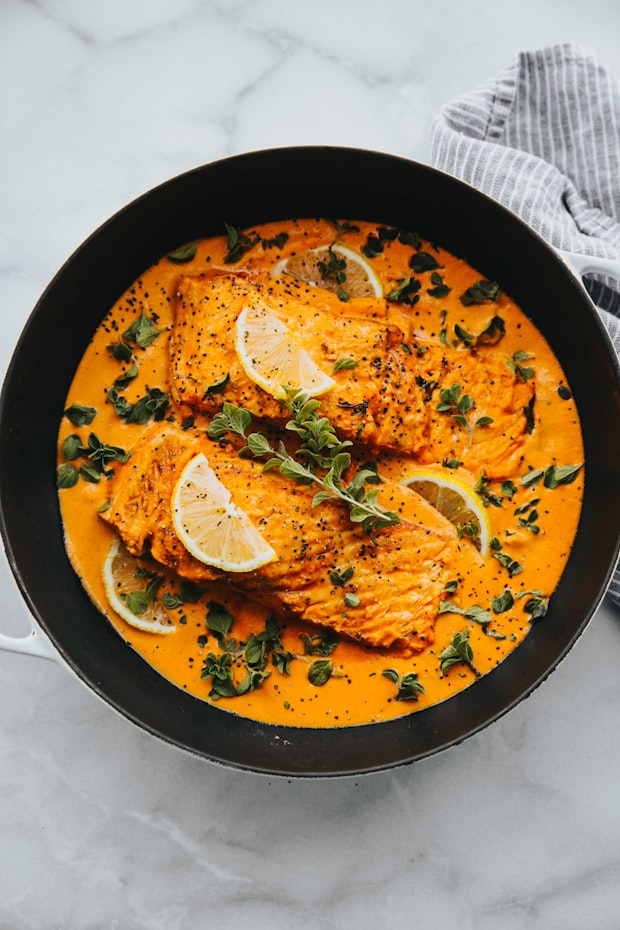
Astaxanthin is the natural pigment behind wild salmon’s pink colour — and their extraordinary cellular resilience.
It’s Not Just Your Eyes. It’s Everything.
Perimenopause doesn’t hit one system. Astaxanthin crosses multiple biological barriers — not just the blood-retina barrier.
One capsule. One transition. All of it addressed.

Astaxanthin crosses the blood-retina barrier, the blood-brain barrier, and the skin barrier — all in one capsule.
The One Thing That Actually Reaches Your Eye Cells.
Astaxanthin is a natural pigment from microalgae — the same compound that makes wild salmon pink. It’s how those animals survive intense UV and oxidative stress.
Most antioxidants are too large to cross the blood-retina barrier. Astaxanthin’s molecular structure lets it embed directly into cell membranes and get through — reaching the inflamed tear cells that drops and supplements can’t touch. No other common antioxidant does this.
That’s not a marketing claim. That’s cellular biology.
Get Astaxanthin — Sale Ends Tonight Free shipping · 40,000+ customers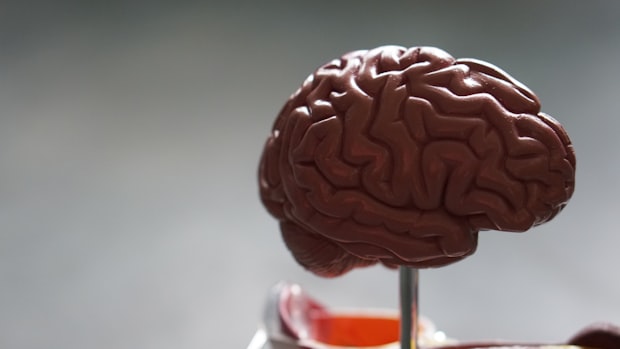
Astaxanthin comes from Haematococcus pluvialis microalgae — the richest natural source on Earth.
“I Was Losing Myself.” Here’s What Changed.
Women start taking it for their eyes. Then around week 5 or 6, someone says:
“You look so well. Have you changed something?”
Astaxanthin builds up in your skin over 4–6 weeks — giving you a warm, natural glow that reads as rested, not made-up. Skin looks more hydrated, firmer, younger.
Your eyes feel better. Your skin looks better. You start recognising yourself again.

By week 8–12, most women notice not just their eyes, but their skin, energy, and sense of self returning.


